Choosing the right tile can transform a plain floor into the highlight of a space. But with endless options, what’s the best way to ensure you pick tiles that endure daily wear, weather the seasons, and look stunning for years? It takes more than just good taste; it demands smart planning, careful selection, and expert installation.
Understanding Tile Types and Their Characteristics
Tiles aren’t created equal. The right choice balances beauty, strength, and function. Ceramic and porcelain dominate homes and businesses, but specialty varieties like mosaic, designer, and outdoor tiles each bring distinct advantages.
Ceramic vs. Porcelain: Which Tile Suits Your Needs?
Ceramic tiles are a classic for a reason: they’re affordable, versatile, and easy to cut, making them ideal for walls and low-traffic areas. Porcelain, on the other hand, is denser and more impervious to moisture, making it the preferred choice for floors, bathrooms, and outdoor spaces. If your home faces harsh winters or heavy foot traffic, porcelain’s resilience is a clear advantage.
Exploring Designer, Mosaic, and Outdoor Tiles
Designer tiles add signature flair, think bold patterns or marble-look porcelain slabs that mimic luxury for less. Mosaic tiles allow for creativity in backsplashes and accent floors, while outdoor and patio tiles are engineered to withstand freeze-thaw cycles, salt, and dirt without losing their charm. The Club Ceramic tile store offers a curated mix tailored to both contemporary and classic spaces, drawing on years of design expertise.
Key Features: Durability, Water Resistance, and Wear Tolerance
When evaluating tiles, check for water absorption rates (especially for bathrooms or basements), abrasion resistance ratings, and anti-slip features. Reputable suppliers clearly label these metrics, helping you match tile performance with your project’s demands.
Trends in Tile Design and Finishes
Matte finishes and subtle textures are gaining ground, offering slip resistance without sacrificing style. Oversized slabs and neutral tones create seamless, open visuals, while bold mosaics and subway tiles serve as eye-catching highlights.
Planning Your Flooring Project for Longevity
A beautiful tile floor starts long before the first tile is laid.
Assessing Your Space and Usage Requirements
How will the room be used? Entryways and kitchens see more of life’s messes than a serene bedroom. Map high-traffic areas and note exposure to moisture or salt if you’re in winter-prone regions.
Budgeting Without Compromising Quality
Quality tiles pay dividends over time, resisting cracks and keeping maintenance low. Stretch your budget for floors, then opt for less costly tiles for walls or decorative borders. Bulk purchasing can also secure better price points.
Selecting Tile Sizes and Patterns for Visual Impact and Function
Larger tiles minimize grout lines, creating a sleek look and making cleaning easier. Patterned layouts, like herringbone or chevron, can elongate rooms or draw attention to focal points. Visualize scale and pattern to complement your space.
Preparing the Subfloor: Why It Matters
No tile looks good on a shaky foundation. A smooth, clean, and level subfloor prevents cracks and ensures longevity. Don’t rush this step; it’s the backbone of your project.
Step-by-Step Tile Installation Process
Mistakes during installation can turn even the best tile into an eyesore. Here’s how to get it right:
Gathering Essential Tools and Installation Materials
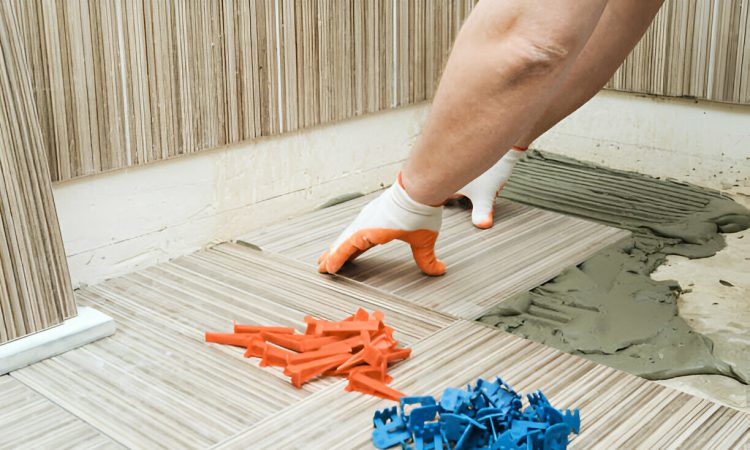
Invest in a quality tile cutter, notched trowels, spacers, a spirit level, and the appropriate adhesive and grout. Many stores offer installation kits fit for DIY and professional projects alike.
Surface Preparation and Moisture Control
Sweep and prime the subfloor, and address any moisture issues with sealant or underlayments, especially in basements or bathrooms.
Applying Adhesive and Setting Tiles Accurately
Spread adhesive evenly, set tiles with spacers for uniform joints, and regularly check alignment with a level. Take your time; precise placement now pays off for decades.
Grouting Techniques and Choosing the Right Grout
After adhesive sets, remove spacers and apply grout, pressing it firmly into the joints. Sanded grout works for wider lines; unsanded for finer joints. Wipe excess grout with a damp sponge before it dries.
Sealing and Finishing: Protecting Your Investment
Some tiles and most grouts benefit from sealing, especially in wet areas. This guards against stains, water damage, and daily grime.
Maintenance Tips for Long-Lasting Tile Floors
A little care goes a long way.
Daily Cleaning Practices to Prevent Damage
Sweep regularly to prevent grit from dulling the surface. Use mild cleaners and avoid harsh chemicals that could erode grout or tile finish.
Handling Stains, Salt, and Winter Wear
In cities with tough winters, salt and sand can accumulate fast. Place mats at entrances and mop up residue quickly to prevent etching and stains.
When and How to Re-Seal Tiles and Grout
Natural stone or unglazed tiles should be resealed every year or two. Grout lines, especially in kitchens and baths, also benefit from periodic sealing.
Troubleshooting Common Issues: Cracks, Chips, and Loose Tiles
Address minor chips with repair kits, but replace tiles if cracks spread. Loose tiles often signal subfloor issues or failed adhesive and require prompt attention.
Choosing the Right Supplier and Getting Expert Support
Where you buy your tiles matters as much as what you buy.
Evaluating Tile Quality and Certifications
Look for suppliers who back their products with certifications and detailed specifications. Quality is more than a buzzword, ask for proof.
Understanding Warranty and After-Sales Service
A solid warranty and responsive after-sales care make a big difference if issues arise down the line.
Leveraging Professional Advice and Installation Services
Many top suppliers, like Club Ceramic tile store, offer design consultations and expert installation guides, ensuring your vision translates perfectly to your floors.
Case Studies: Successful Projects and Customer Testimonials
Satisfied clients consistently highlight attentive staff, broad selections, and efficient delivery, proof that choosing the right partner elevates the entire experience.
Long-lasting tile floors are the result of informed choices, meticulous prep, and skilled installation. With quality materials and the right support, your floors will stand the test of time and style.