Key Takeaways
- Succulents thrive when placed in areas with sufficient natural light and good airflow.
- Different rooms offer varying conditions, so choosing the right location supports healthier plant growth.
- Containers, shelving, and window placement all affect the long-term condition of indoor succulents.
- A succulent plant can complement many interior styles while remaining easy to maintain.
- Many homeowners choose low-maintenance indoor plants in Singapore because they require relatively simple care and fit well into compact living spaces.
Introduction
Succulents have become a popular choice for indoor greenery because they combine decorative appeal with straightforward care requirements. Their wide range of shapes, colours, and sizes makes them suitable for many interior styles, while their ability to tolerate occasional missed watering suits busy households. Many homeowners also appreciate a succulent plant in Singapore for its adaptability to indoor environments. However, even hardy plants perform best when placed in locations that match their growing needs. Light exposure, humidity, temperature, and available space all influence how well they thrive. Choosing the right room allows succulents to remain healthy while contributing to the overall appearance of the home.
Living Room
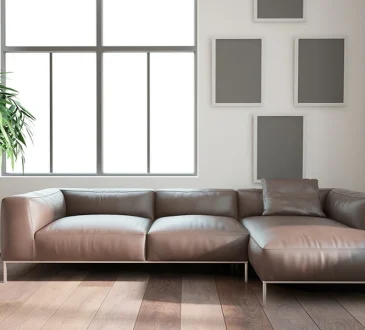
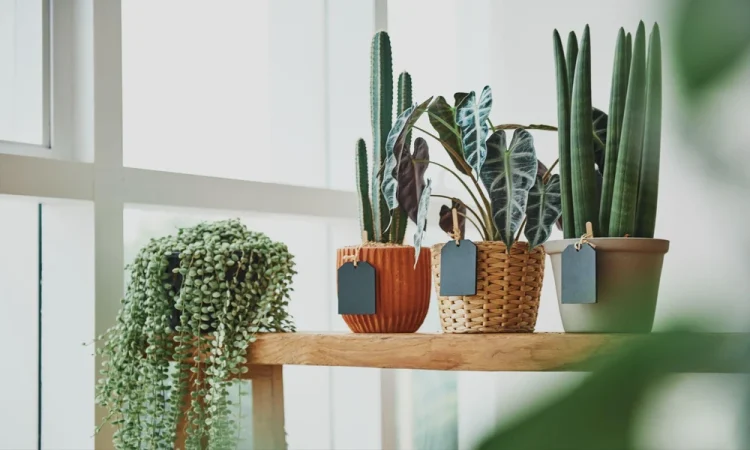
The living room is often one of the most suitable places for displaying succulents because it usually receives consistent natural light through windows. Coffee tables, floating shelves, television consoles, and side cabinets provide excellent display areas without overcrowding the space. Positioning succulents close to bright windows allows them to receive adequate sunlight while remaining part of the room’s décor. Rotating pots every few weeks can also help plants grow evenly. A succulent plant is commonly used to add greenery to living spaces because it fits modern, minimalist, Scandinavian, and contemporary interior designs without requiring extensive maintenance.
Kitchen
Many kitchens offer bright lighting during the day, making them another suitable environment for certain succulent varieties. Window ledges, breakfast counters, and open shelving can accommodate small pots without interfering with daily cooking activities. Care should be taken to keep succulents away from excessive steam produced by kettles, ovens, and stovetops, as prolonged moisture exposure may not suit all species. Good ventilation also helps reduce unnecessary humidity. Selecting compact plants ensures they remain practical additions that enhance the kitchen without occupying valuable preparation space.
Home Office
A home office benefits from the addition of indoor plants because they create a more inviting working environment without demanding significant attention throughout the week. Succulents are particularly suitable for desks, bookshelves, filing cabinets, and window-side workstations due to their compact size. Their limited watering requirements make them practical for individuals who spend long hours working or travelling. Many homeowners choose low-maintenance indoor plants in Singapore for home offices because they can maintain an organised workspace while introducing natural elements that require relatively little upkeep.
Bedroom
Bedrooms can also accommodate succulents, provided there is enough daylight entering the room. Window sills, bedside shelves, dressers, or wall-mounted shelves are common display locations that maximise available space. Since bedrooms generally experience stable temperatures, they provide a suitable environment for a wide variety of indoor succulents. The key consideration is ensuring sufficient sunlight throughout the day. Avoid placing plants in permanently shaded corners where growth may become weak or elongated due to inadequate light exposure.
Bathroom
Bathrooms are generally more humid than other areas of the home, which may not suit every succulent species. However, bathrooms with large windows, skylights, or strong ventilation can still support certain varieties when moisture levels remain moderate. Small decorative succulents can be placed near sinks or on shelving where they receive indirect sunlight without constant exposure to water. Monitoring humidity levels helps determine whether the chosen location remains appropriate over time.
Entrance and Hallways
Entryways and hallways create opportunities to introduce greenery as visitors enter the home. Console tables, narrow shelving, or decorative niches provide attractive display locations without restricting movement. If these areas receive natural light from nearby windows or glass doors, they can support healthy succulent growth. In darker hallways, occasional rotation to brighter locations may help maintain plant health. Carefully selected containers can also complement flooring, wall colours, and furniture to create a cohesive interior design.
Conclusion
Choosing the right location plays an important role in maintaining healthy indoor succulents. Living rooms, kitchens, home offices, bedrooms, bathrooms, and entrance areas each offer different advantages depending on available light, ventilation, and humidity. By matching plant placement with environmental conditions, homeowners can enjoy attractive displays while keeping maintenance manageable. Whether selecting a single succulent plant or building a collection of low-maintenance indoor plants in Singapore, thoughtful positioning helps ensure both healthy growth and an appealing living environment.
Connect with D’Spring and explore an easy way to introduce greenery into your home.