The roof is one of the main parts of the home exterior, which protects the home interior from water, snow, wind, sun, and temperature variations. People who plan to maintain their home exteriors can learn more about roof maintenance in relation to local weather conditions, the material of the roof, its drainage, ventilation, and maintenance process. All of these become especially relevant in Cherry Hill.
Understanding Local Weather
The climate in Cherry Hill is considered to be humid, with hot summer days and cold winter days. The roofs need to have the ability to cope with conditions of heat, moisture, freezing, snow, and winds. Alternation of moist and dry environments can lead to changes in the condition of roofing material and its supporting elements.
Weather during winter days can become a source of further problems for a roof. Snow adds extra weight on the roof, while processes of freezing and thawing can cause deterioration in weak spots. Hot weather during summer days can speed up the aging process of some kinds of roofing materials. This information will help homeowners understand the necessity of roof inspection and maintenance.
Selecting Appropriate Materials
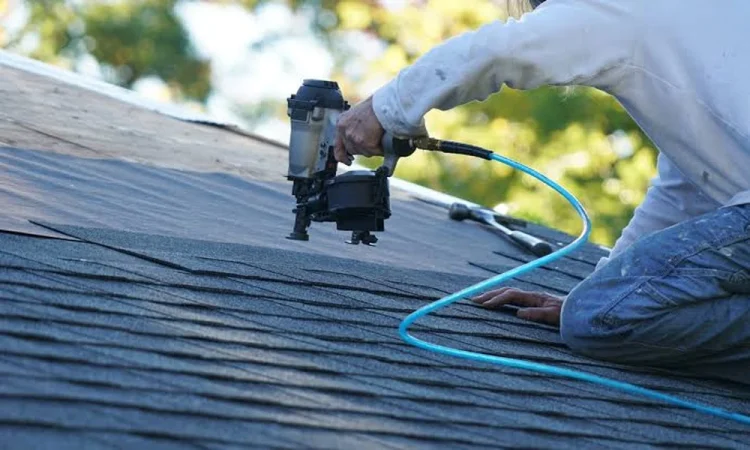
Each type of roofing material possesses unique characteristics that differ in durability, aesthetics, maintenance, and weather resistance. Shingles made from asphalt are often installed in residential buildings due to their wide variety of options and easy maintenance.
Other roofing materials like metal, slate, tiles, among others, can be applied depending on the architecture and structure of the house. Selection of the roofing material must be considered depending on the duration of use, weather conditions, weight, and installation requirements, among others. The choice of the material used in the roof can affect both the initial cost and maintenance of the building.
Importance of Roof Drainage
Drainage is extremely important in order to protect the roof and all other parts of the exterior surface. The moisture that stays on the roof or nearby the roof for some time can cause deterioration, leaks, growth of molds, as well as damage to other elements.
Gutters and downspouts will direct the rainwater away from the roof and from the foundation of the building. Debris, such as leaves and branches, may affect the process, especially during fall. Checking the condition of the drainage system may help to find possible problems. A good drainage system prevents accumulation of water near the foundation and the walls.
Roof Ventilation and Insulation
The ventilation and the insulation influence both the operation of the roof and the energy performance of the building. Good ventilation of the attic ensures the distribution of heat and moisture and hence the regulation of the climate in the roof. In winter, if there is no proper ventilation, moisture will accumulate, resulting in condensation and deterioration. During summer, proper ventilation will help prevent the excess heat in the roof. Insulation is an additional factor that prevents the flow of excessive heat from one place to another. The insulation and ventilation must be taken into account as part of the overall condition of the roof.
Recognizing Maintenance Needs
Roof problems do not have to begin with leaky roofs. The existence of missing and damaged shingles, deteriorating flashings, failed sealants, roof sagging, and granule shedding may be an indication that there is trouble coming up soon. Fixing small problems at an early stage will reduce the likelihood of having big ones in future. Professional inspections may be considered if the roof is old, subjected to severe weather conditions, or if it is degrading. Inspections may even be necessary when one intends to sell or purchase a property.
Long-Term Roofing Considerations
The most effective residential roof system is one where all its components operate harmoniously. Inspection on a seasonal basis, proper maintenance, and immediate attention to problems that arise can help improve the lifespan of a roof as well as help in protecting the exterior structure.
If one is a resident of Cherry Hill and wants to learn more about the climate conditions here and also the nature of the different roof systems, it can provide a practical approach to maintaining and replacing their roof. The first step to take would be to examine the roof for its age, materials, drainage, ventilation, and condition.