A water softener might continue operating even though its brine tank is overdue for cleaning. That doesn’t mean the tank is clean or running smoothly. Salt crystals, pellet clumps, debris and water might slowly hinder the regeneration cycle.
Cleaning the brine tank will get rid of things that regular salt additions don’t fix. Cleaning the brine tank is also an opportunity to catch potential problems before you start seeing hard water or salt bridges or softeners failing to regenerate.
Brine Tank Buildup
A brine tank holds the salt and water the water softener (there’s a decent explainer at https://www.britannica.com/technology/water-softener) needs to produce brine for regeneration. There are some substances that build up over time because they don’t dissolve well.
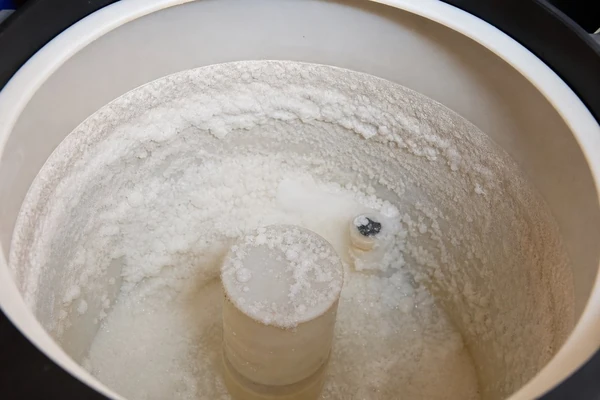
Here are some of the most common problems:
- Salt cake on the top of the brine tank
- Salt crust at the bottom of the brine tank
- Dirt or sand from salt or the water supply
- Dark water and sludge on the sides of the brine tank
- Debris near the float or brine line
A salt bridge looks full from the top but may have an empty space beneath it. The water softener isn’t able to pull enough brine from the empty space, which can prevent the resin from being regenerated and let hard minerals flow back into your home.
Warning Signs
Water softener problems sometimes start with subtle changes. Your soap may not lather as well and you might see more spots on glasses and dishes and scale buildup on showerheads and faucets.
A foul odor, dark liquid and damp salt could indicate there’s a buildup in the tank. If the salt level doesn’t decrease after a regeneration cycle, there could be a bridge or another kind of blockage.
Many people wait until their water softener is no longer working to have it cleaned. Cleaning the tank before then saves time and effort.
The Cleaning Process
Cleaning a brine tank is more work than scooping out salt. The tank must be drained, cleaned and refilled without breaking the float, valves or anything nearby.
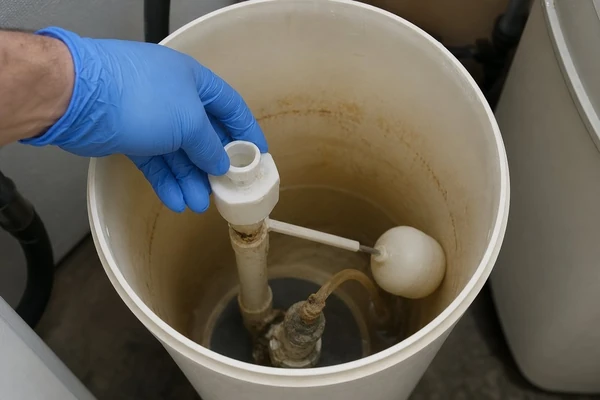
This usually involves turning off or bypassing the water softener as needed; the practical side of Ionex Water LLC starts there. The technician inspects the float, pickup tube and fittings for damage or clogging.
Then, the tank is filled with salt and water as the manufacturer recommends. Waiting 30 minutes for the salt to begin dissolving before regenerating ensures the water softener gets the full benefit of the newly made brine.
The material left behind in an old brine tank might not be pure salt. It might be a mixture of sludge, dirt and brine that shouldn’t be poured anywhere willy-nilly.
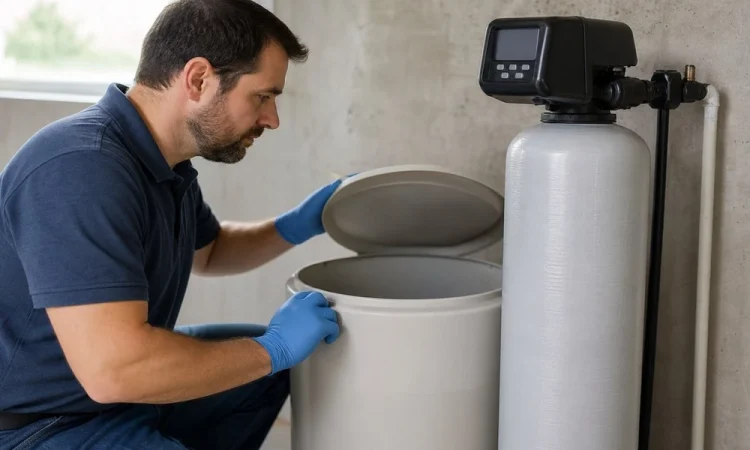
Your service company should know where the wastewater is safe to dispose of before they begin work. A high concentration of brine might not be safe for septic tanks, garden beds or drains that aren’t designed to receive it. The team also needs room to open the tank lid and reach the brine line to avoid breaking any fittings.
How often you need to clean your water softener depends on the amount of water your household uses, the quality of the salt you use and the environment where the system is installed.
If you have a large family and regenerate often, you might find residue earlier than if you have a single person and regenerate less frequently. Likewise, a salt tank kept in a humid garage might accumulate hard crust faster than one in a dry basement.
As a general rule, it is best to wait until the salt level drops to the point where you can see the bottom of the tank and the safety float, and then do a quick inspection.
If you have to completely empty and clean the tank every few months, there could be an issue with the system, such as poor quality salt, a cracked lid that is allowing moisture inside, high humidity in the room or an incorrect regeneration schedule. Tracking the service dates will help you determine whether there is a problem.
Ongoing Maintenance
While cleaning the brine tank won’t fix all water softener problems, it makes troubleshooting simpler. With the salt buildup cleared, a broken float, clogged injector, damaged brine line or valve problem is easier to identify.
Routine inspections can keep salt from gathering into a tight block that is hard to break apart. Using clean salt stored correctly and keeping the area around the lid dry can reduce the chances of forming a bridge later.
It’s easier to clean a brine tank if it’s done proactively rather than waiting for it to break down. Notice how fast the salt is consumed, how hard the water feels and look at the tank when you’re adding salt to see if there’s excess moisture or clumping.
Before the next salt order arrives or you add salt to the tank, take a look inside to see if the salt looks fine, the water looks clear and the brine components look clean.