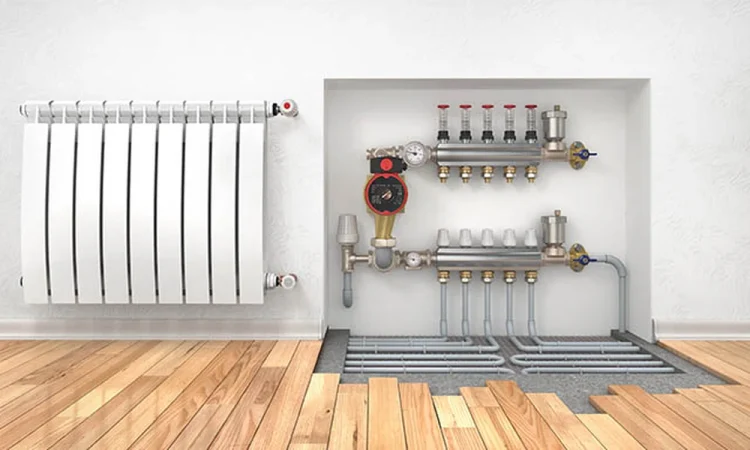
A warm home should feel comfortable without necessarily feeling as though heated air is constantly blowing through the room. For homeowners exploring more even, built-in heating options, hydronic systems can be an appealing choice. Many people consider them for comfortable heated floors for homes, but the technology can be used in several ways to distribute heat throughout a living space.
Hydronic heating uses heated water to transfer warmth through pipes, radiators, baseboards, or other indoor components. Instead of relying primarily on forced air, the system moves thermal energy through water and releases it where heat is needed. Understanding how these systems work, what installation involves, and what factors affect performance can make home heating decisions much easier.
How Hydronic Heating Works
At its core, a hydronic heating system uses a heat source to warm water and then circulates that water through a network of pipes. As the heated water travels through the system, it releases heat into rooms before returning to be reheated.
The heat source may vary depending on the home and system design. Some systems use boilers, while others can be integrated with different heating technologies. The important point is that water serves as the medium carrying heat from the source to the areas where warmth is needed.
Because water transfers heat efficiently, hydronic systems can provide steady warmth without depending on the rapid movement of heated air. This creates a different heating experience from a traditional forced-air furnace.
Different Ways Hydronic Systems Deliver Heat
Hydronic heating is not limited to one type of indoor installation. The distribution method can be selected based on the home’s layout, construction, and heating needs.
Radiators are one of the most recognizable examples. Heated water passes through the radiator, which then transfers warmth into the surrounding room. Modern versions can be more streamlined than older cast-iron designs and may fit more easily into contemporary interiors.
Baseboard heaters are another common option. Hot water flows through tubing inside the baseboard unit, allowing heat to spread along the edges of a room.
In-floor systems take a different approach. Pipes installed beneath the floor surface circulate warm water, allowing heat to rise gradually into the occupied space. This method can create a particularly consistent temperature across the room while keeping mechanical components largely out of sight.
Why Homeowners Consider Hydronic Heating
One of the main attractions of hydronic heating is the consistency of the warmth. Instead of concentrating heat in one location and relying on airflow to distribute it, water-based systems can release heat gradually across dedicated zones or surfaces.
Comfort is another consideration. In-floor hydronic systems, for example, can warm the floor itself rather than simply raising the temperature of the air. This can make hard flooring surfaces feel more pleasant during colder weather.
Hydronic systems may also operate quietly because they do not require the same type of air circulation associated with conventional ducted heating. For households sensitive to drafts or uneven room temperatures, the different method of heat distribution may be worth exploring.
Planning the Installation
Hydronic heating should be planned carefully because the system is integrated into the home’s structure. New construction often offers more flexibility because tubing, controls, and other components can be incorporated during the building process.
Retrofitting an existing home is possible, but the approach depends on the floor structure, available space, existing heating equipment, and the selected distribution method. In-floor installations, in particular, may require access beneath or within the floor assembly.
A professional assessment can help determine whether a hydronic system makes sense for the property. The home’s insulation, room sizes, existing heating setup, and energy requirements all influence the design.
Zoning Can Improve Comfort
One useful feature of many hydronic systems is the ability to divide the home into heating zones. Rather than treating the entire property as one large space, different areas can have their own temperature controls.
For example, bedrooms may require less heat than living areas during certain parts of the day. A zoned design can allow homeowners to manage temperatures according to how individual rooms are used.
Good zoning depends on proper planning. The number of zones, placement of thermostats, control systems, and piping layout should work together so that each area receives the appropriate level of heat.
Insulation Still Matters
Even an efficiently designed heating system cannot compensate fully for significant heat loss. Before investing in a new system, homeowners should consider the condition of insulation around the attic, walls, floors, doors, and windows.
A well-insulated home generally retains indoor heat more effectively, allowing the heating system to maintain a comfortable temperature with less demand. Air leaks can also reduce heating performance, particularly around windows, doors, duct penetrations, and other openings.
Addressing these issues as part of a broader heating plan can improve comfort regardless of which heating technology is chosen.
Think About Maintenance and Controls
Like other mechanical systems, hydronic heating requires appropriate maintenance. Components such as pumps, valves, heat sources, expansion tanks, and controls should be inspected according to the equipment manufacturer’s recommendations.
The water circulating through the system also matters. System design and water quality can affect long-term performance, so maintenance should not focus only on visible heating elements.
Modern controls can make operation more convenient by allowing homeowners to adjust temperatures, establish schedules, or manage individual zones. The right control strategy can help align heating output with the household’s daily routine.
Is Hydronic Heating Right for Your Home?
Hydronic heating can be an excellent option for homeowners who value consistent warmth, quiet operation, and flexible heat distribution. However, it is not automatically the best choice for every property.The existing structure, installation requirements, heating source, budget, and long-term goals should all be considered before making a decision. A system that works beautifully in a newly constructed home may require a very different approach in an older property.It is also important to look beyond the heating equipment itself. Insulation, controls, room usage, floor construction, and overall energy efficiency all contribute to the final result.
Conclusion
Planning a warmer home is about more than choosing a heating unit. It involves looking at how heat enters a space, how efficiently the home retains it, and how comfortably that warmth can be distributed throughout the rooms people actually use.Hydronic heating offers a distinct approach by using water to carry heat where it is needed. From radiators and baseboards to underfloor systems, there are several ways to build a design around the home’s specific needs. With careful planning and professional installation, a hydronic system can become an integral part of a home’s comfort strategy for years to come.
=======================================================================