Key Takeaways
- The first 24 to 48 hours are critical for salvaging electronics, machinery, and structural elements.
- Professional fire clean-up services tackle invisible threats like acidic soot and toxic chemical residues.
- A fire damage restoration service must address secondary issues like water damage and HVAC contamination.
- Advanced decontamination techniques like ultrasonic cleaning can save high-value equipment from being a total loss.
Introduction
The silence that follows a fire is as heavy as the smoke that once filled the air. For a business owner or a resident, the immediate aftermath is a blur of shock and logistical hurdles. While the flames are gone, a silent, chemical clock has started ticking. Fire transforms materials into corrosive soot and releases complex toxins that continue to eat away at surfaces long after the last ember is extinguished. The intricate layers of professional fire clean-up services and how a specialised fire damage restoration service can both act as a lifeline, turning a site of devastation back into a place of operation and comfort.
Why Professional Fire Clean-Up Services are Essential
To the untrained eye, the primary problem after a fire is the visible char and debris. When synthetic materials, plastics, and electronics burn, they create highly acidic soot. If this residue is not removed within the golden hours of recovery, it begins to pit metal surfaces, discolour plastics, and etch glass. Professional fire clean-up services utilise industrial-grade HEPA vacuums and specialised chemical sponges designed to lift the soot from walls and ceilings.
Furthermore, the smell of smoke is a sign of volatile organic compounds (VOCs) trapped within the very pores of the building’s structure. Restoration experts employ advanced techniques such as thermal fogging or ozone treatment. By addressing these invisible threats, specialists ensure that the indoor air quality returns to safe levels, protecting the respiratory health of future occupants.
Navigating the Tiers of Recovery
When we look at restoration from a multi-layered perspective, we see that the fire is only the first layer of the disaster. The second layer is often the water used to extinguish the flames. A comprehensive fire damage restoration service integrates water extraction and industrial-scale dehumidification into the fire recovery plan.
The third layer involves the mechanical and electronic systems. Restoration specialists use five-stage ultrasonic cleaning and specialised decontamination baths to deep-clean components that would otherwise be considered a total loss. By viewing the recovery through these various layers, professionals can prioritise the most time-sensitive tasks, ensuring that business continuity is restored with minimal disruption.
Steering the Aftermath
While the intention to save money is understandable, the reality is that improper cleaning can lead to an insurance claim being denied or reduced due to exacerbated damage. Professionals wish property owners knew that documentation is as vital as the cleanup itself. Before a single piece of charred furniture is moved, every inch of the damage must be recorded with high-resolution photography and detailed notes.
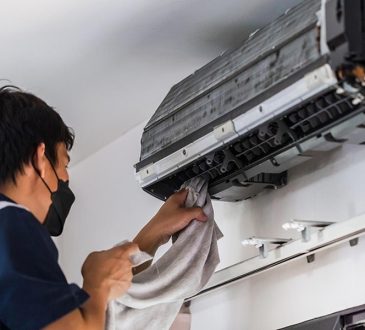
Another critical piece of advice is to keep the HVAC system off. Many people instinctively turn on the air conditioning to clear the smoke, but this actually pulls soot and toxins into the ductwork, distributing the contamination to every room in the building. A specialised fire damage restoration service will always include a thorough HVAC decontamination, replacing filters and cleaning ducts to ensure that the circulatory system of the building is not pumping toxic air.
The Strategic Path Back to Normalcy
Restoration is a journey that moves from chaos to order. The process begins with structural stabilisation. Once the site is secured, the detailed work of decontamination begins. Whether it is using an eco-friendly technique that peels soot away like a mask or performing controlled demolition of irreparable drywall, every step is calculated to maximise the salvage rate of the property and its contents. The final stage involves replacing what was lost, from flooring to electrical wiring, ensuring that all work meets current building codes and safety standards. The goal of a premium fire damage restoration service is to reach a state where you can no longer tell that a fire ever occurred.
Conclusion
A fire is one of the most traumatic events a property owner can face, but it does not have to be the end of the story. By understanding the multi-layered nature of fire damage, you can make informed decisions that protect your health and your investment. Professional fire clean-up services provide the technical and scientific precision needed to halt the ongoing damage. A dedicated fire damage restoration service provides the roadmap back to normalcy. In the face of disaster, the right expertise is not just a luxury; it is the most effective way to reclaim your space and your peace of mind.
If you have just experienced a fire, every minute counts. Enquire at BELFOR today to learn more.