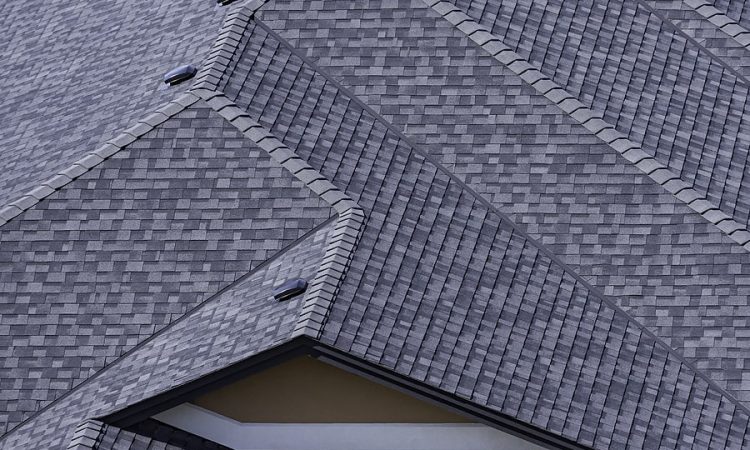
Asphalt shingles remain the most popular roofing material in North America, with two main types dominating the market: fiberglass and organic asphalt shingles. Fiberglass shingles feature a fiberglass mat core coated with asphalt and protective granules, while organic shingles use a base made from cellulose fibers saturated with asphalt. Both types offer weather protection and aesthetic appeal but differ significantly in construction, durability, and environmental impact. Understanding these differences is key to choosing the right shingles for your home’s needs and budget. So let us answer the question, is there fiberglass in shingles? Here are the options for you.
Cost Comparison: Upfront Price and Longevity
When it comes to cost, organic asphalt shingles typically have a higher upfront price than fiberglass options due to their thicker, heavier construction and more labor-intensive manufacturing. However, fiberglass shingles are generally lighter and easier to install, which can reduce installation costs. In terms of longevity, fiberglass shingles often last longer, with warranties typically ranging from 20 to 30 years, whereas organic shingles generally have shorter lifespans, often around 15 to 25 years. Factoring in replacement frequency, fiberglass shingles can offer better long-term value despite similar or slightly higher initial costs.
Performance in Extreme Weather Conditions
Performance under harsh weather conditions is a major consideration. Fiberglass shingles have superior resistance to moisture, fire, and wind due to their dense fiberglass mat. They are less prone to warping or absorbing water, making them ideal for humid or rainy climates. Organic shingles, while offering excellent impact resistance due to their thicker structure, are more susceptible to moisture damage, which can lead to curling, cracking, or mold growth over time. In areas prone to wildfires, fiberglass shingles also provide enhanced fire protection. For extreme cold or snowy climates, both types perform adequately but fiberglass’s lighter weight can be beneficial for structural load considerations.
Sustainability and Environmental Impact
From an environmental perspective, organic asphalt shingles historically contained recycled paper and wood fibers, which made them somewhat more sustainable. However, their higher asphalt content contributes to greater environmental impact during production. Fiberglass shingles rely heavily on non-renewable materials like glass fibers and petroleum-based asphalt, though manufacturers are increasingly incorporating recycled materials into fiberglass production. Disposal is also a factor: organic shingles are less recyclable, while fiberglass shingles pose challenges due to their composite nature. Homeowners interested in eco-friendly roofing should consider product certifications and recycling programs offered by manufacturers.
Choosing the Right Shingle for Your Home
Selecting between fiberglass and organic asphalt shingles depends on your climate, budget, and sustainability priorities. For homeowners seeking a durable, fire-resistant, and lower-maintenance option with long-term value, fiberglass shingles are typically the better choice. Those who prefer thicker shingles and may be in regions with less moisture exposure might opt for organic shingles, appreciating their traditional build and impact resistance. Consulting with a roofing professional can help assess your local conditions and provide recommendations tailored to your home’s specific requirements, ensuring you make an informed decision that balances performance, cost, and environmental factors.
In conclusion, both fiberglass and organic asphalt shingles have unique advantages and drawbacks. By comparing cost, weather performance, and sustainability, homeowners can choose the shingle type that best fits their needs, protecting their investment while enhancing their home’s curb appeal.