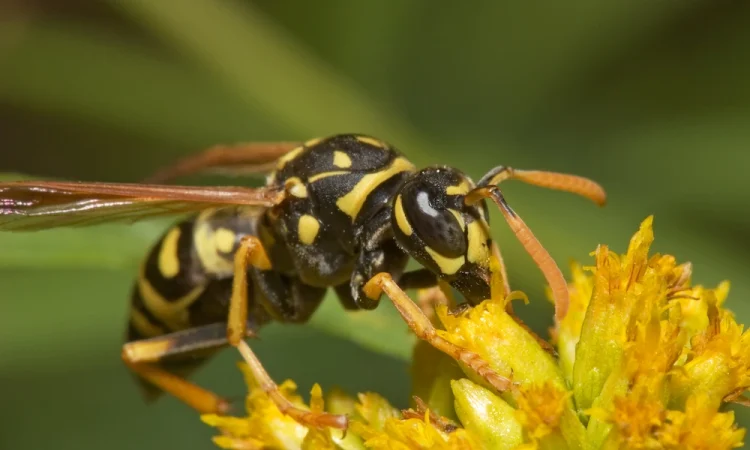
Stinging insects such as wasps, hornets, yellow jackets, and bees can turn a peaceful yard into a hazard zone. These insects can help in pollination and ecosystem balance, but their presence near homes or patios can create risks for humans and pets. Preventing them from establishing nests around your property ensures safety, comfort, and uninterrupted outdoor enjoyment. Pest control experts will ensure proper pest control near me to protect your home from unexpected invasions. Prevention steps include the following:
Sealing Entry Points Around the Home
Stinging insects can invade properties through small cracks, gaps, or vents in siding, windows, doors, and utility lines. Older Illinois homes may have these weak points, and even newer homes can have tiny openings that insects may exploit. Stinging insects can build nests in quiet, sheltered areas such as attics, crawl spaces, or inside wall voids.
A careful inspection of your home’s exterior can reveal these vulnerabilities. Use high-quality caulk or weather stripping to seal cracks around windows, doors, and baseboards. Cover vents with fine mesh to block entry while maintaining airflow. Inspect garage doors, attic vents, and gaps around pipes. Consider adding screens to openings near utility lines.
Maintain a Clean Yard and Garden
Cluttered yards create shelter for stinging insects. Overgrown shrubs, piles of wood, garden debris, and untrimmed plants give hornets and wasps hidden areas to build nests safely. Fallen fruit, compost piles, and accessible trash bins also provide food sources, making your property more attractive.
Keep a yard well-maintained to discourage insects from settling near your home. Trim branches that brush against walls or roofs, clear leaf litter, and store firewood on elevated racks away from the building. Make sure compost bins are covered and that trash cans have tight-fitting lids. Regularly cleaning patios, decks, and outdoor seating areas can reduce opportunities for insects to forage close to human activity.
Removing Food and Sweet Scents
Outdoor meals, open drinks, and uncovered snacks act as magnets for yellow jackets and hornets. Pet food left outdoors, spilled sugar, or leftover picnic items encourage insects to linger, increasing the chance of stings.
To prevent this, store food indoors when not in use and clean up immediately after meals or gatherings. Cover outdoor trash and compost bins, rinse recycling, and keep pet feeding areas clean. Even small spills on patios, tables, or decks can attract insects, so wiping surfaces frequently helps maintain a pest-free zone.
Inspecting and Managing Outdoor Structures
Hornets, wasps, and yellow jackets frequently choose covered areas such as under eaves, inside sheds, beneath decks, or inside outdoor furniture. Bees may establish hives in hollow trees, garden walls, or other tight spaces that provide protection from the elements.
Regular inspection of sheds, decks, patios, and play structures is crucial. Look for small paper-like nests under eaves, clusters of insects flying around corners, or unusual buzzing near structures. Secure gaps in doors, windows, and lattice work, and cover openings with mesh or netting.
Limiting Standing Water
Birdbaths, clogged gutters, planters with excess water, or low spots in the yard can create convenient sources for insects. Any standing water near your property encourages wasps, hornets, and yellow jackets to linger.
Empty and refresh water in birdbaths daily. Fix drainage issues and make sure gutters and downspouts drain properly. Avoid allowing water to collect in flowerpots or decorative containers. Even small amounts of stagnant water can make a property more attractive to insects. Maintain dry conditions in and around the home to discourage insects from nesting nearby and reduce the chances of unwanted stinging encounters.
Monitor Seasonal Activity
Stinging insects are more active during warmer months in Illinois, particularly from late spring to early fall. During this time, nests grow quickly, and insects forage for food to support their colonies. Monitoring outdoor activity helps homeowners identify potential problems early. Pay attention to clusters of insects near eaves, fences, or outdoor furniture. If you notice repeated visits to specific areas, inspect carefully for nests.