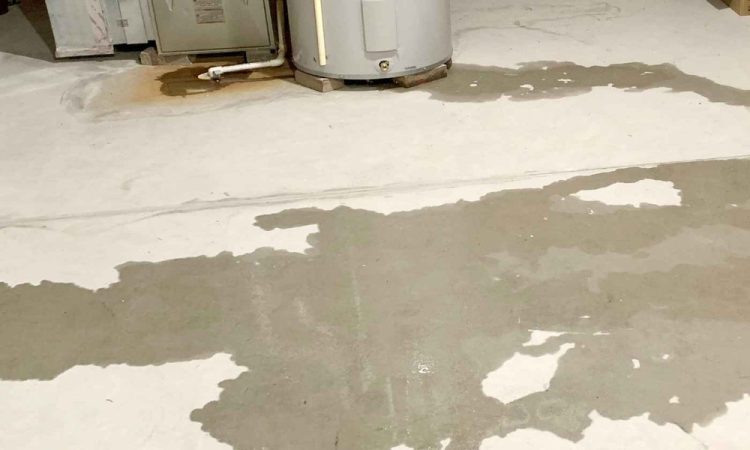
Homeowners once dreaded the words “slab leak” because the diagnosis meant jackhammers tearing through floors and excavation equipment destroying landscaping. Finding a leaking pipe beneath a concrete foundation required educated guessing followed by destructive exploration that sometimes caused more damage than the leak itself. The repair process could leave homes looking like construction zones for weeks.
That reality has changed dramatically. Modern detection and repair technologies allow plumbers to locate problems precisely and fix them with minimal disruption to homes and the people living in them.
Pinpointing Leaks Without Destruction
Electronic leak detection equipment has revolutionized how plumbers find problems hidden beneath concrete. Acoustic sensors amplify the sound of water escaping from pipes, allowing technicians to listen for leaks through solid floors. The subtle hiss of pressurized water leaving a pipe creates signatures that trained professionals can identify and trace to their source.
Infrared thermal imaging adds another dimension to detection capabilities.
Water from slab leaks changes the temperature of surrounding materials in ways that thermal cameras can visualize. Warm spots on floors where hot water lines leak become visible on screen even when human hands cannot feel the difference. Cold water leaks similarly reveal themselves through temperature variations that imaging equipment detects.
Video pipe inspection takes the guesswork out of diagnosing pipe conditions. Miniature cameras travel through plumbing lines, transmitting real-time footage that shows exactly where cracks, corrosion or joint failures have occurred. Technicians can see the problem rather than inferring it from indirect evidence.
Reducing Excavation Requirements
Accurate detection translates directly into smaller repair footprints. When plumbers know exactly where leaks originate, they can cut through concrete at precise locations rather than opening large sections of floor hoping to find the problem. The difference between a surgical strike and exploratory excavation matters enormously to homeowners facing slab leak repair.
Some repairs require no excavation at all. Pipe lining technology allows technicians to rehabilitate damaged sections from access points at either end. An epoxy-coated liner inserted into existing pipe hardens into a new inner surface that seals cracks and restores integrity without digging.
Trenchless pipe replacement offers another option when damaged sections need removal entirely. Technicians pull new pipe through the path of the old using specialized equipment that requires only small access holes rather than continuous trenching.
Rerouting as an Alternative to Breaking Concrete
Sometimes the best repair avoids the slab entirely. Plumbers can abandon problematic under-slab pipes and route new lines through walls, attics or crawl spaces where future access remains easy. This approach trades some installation complexity for permanent elimination of the vulnerabilities that caused the original leak.
The decision between direct repair and rerouting depends on factors specific to each situation. Older homes with deteriorating pipe throughout the slab may benefit more from complete replumbing than spot repairs that leave other problem areas waiting to fail.
Experienced plumbers evaluate these tradeoffs honestly rather than defaulting to whatever approach generates the largest invoice. Homeowners deserve clear explanations of their options and realistic assessments of long-term outcomes.
Protecting Structural Integrity During Repairs
Modern slab leak repair techniques prioritize minimizing collateral damage. Concrete cutting follows careful measurement to remove only what access requires. Temporary supports protect surrounding areas from stress during excavation.
Restoration after repairs has improved as well. Color-matched concrete and precision patching make repaired sections blend with existing floors more successfully than the obvious patchwork that older methods left behind.
The goal extends beyond fixing immediate leaks to preserving home value and livability throughout the process. Families should not have to relocate for weeks while repairs proceed.
Preventing Future Problems
Detection technology serves purposes beyond finding existing leaks. Regular inspections using the same equipment that locates active problems can identify deteriorating conditions before failures occur.
Monitoring water pressure helps protect pipes from the stress that causes premature failure. Adjusting pressure to appropriate levels reduces strain on connections and joints where leaks typically begin.
Water softening systems address mineral buildup that corrodes pipes from the inside. Hard water prevalent in many regions accelerates deterioration that eventually causes slab leaks. Treating water before it enters home plumbing extends pipe lifespan significantly.
Responding Quickly When Problems Appear
The damage slab leaks cause grows every day they go unaddressed. Water saturating soil beneath foundations can undermine structural stability. Moisture migrating upward promotes mold growth and damages flooring materials.
Modern detection capabilities mean homeowners no longer need to wait while plumbers search blindly for leak sources. Quick identification leads to faster repairs that limit the secondary damage leaks cause.
Warning signs, including unexpected increases in water bills, warm spots on floors, sounds of running water when fixtures are off, and cracks appearing in walls or foundations, all warrant prompt professional evaluation. Catching slab leaks early makes repairs simpler and less costly than waiting until damage becomes severe.