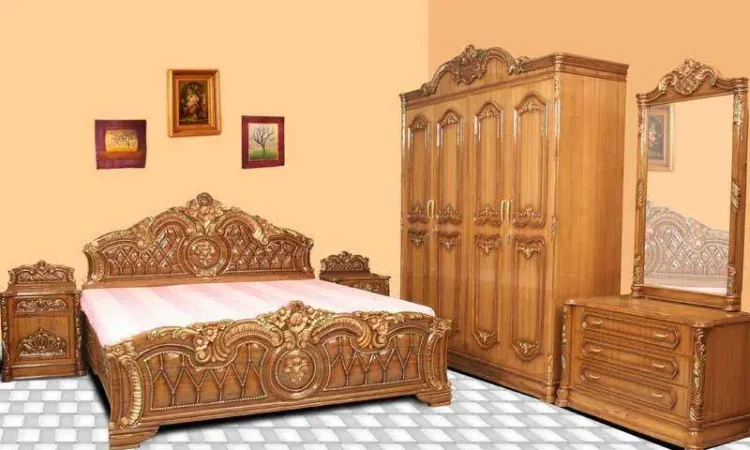
Furniture is much more than just objects placed in our living and working spaces. It is the silent partner in our daily routines, shaping comfort, style, and functionality in our homes, offices, and public places. From ancient handcrafted wooden stools to sleek modern ergonomic chairs, furniture reflects culture, innovation, and personal taste. In this article, we will explore the importance of Furniture its history, types, materials, and how it continues to evolve to meet contemporary needs.
The Role of Furniture in Everyday Life
At its core, furniture serves a practical purpose: to provide comfort, storage, and organization. Chairs offer places to sit, tables create surfaces for work or dining, and cabinets store our belongings. But furniture also influences the ambiance of a room and even impacts our health and productivity. For instance, ergonomic office chairs help reduce back pain and improve posture, while a cozy sofa invites relaxation and social interaction.
Furniture is integral to the way we experience space. It divides rooms, directs movement, and frames focal points such as fireplaces or artworks. Beyond functionality, furniture communicates personal style and cultural identity, reflecting the tastes, traditions, and values of individuals and societies.
A Brief History of Furniture
The history of furniture dates back thousands of years, with early examples found in ancient Egyptian tombs, Mesopotamian ruins, and Chinese archaeological sites. These pieces were often made of wood, stone, or metal and were designed for both utility and status display.
During the Middle Ages in Europe, furniture was heavy and ornate, often crafted from oak and decorated with intricate carvings. The Renaissance brought a focus on classical aesthetics, with elegant lines and luxurious materials. The 18th and 19th centuries saw the rise of various styles such as Rococo, Victorian, and Art Nouveau, each reflecting the social and technological changes of their times.
The 20th century revolutionized furniture design with movements like Bauhaus and Mid-century Modern, which emphasized simplicity, functionality, and new materials like steel, plastic, and plywood. Today, furniture design continues to innovate with sustainable materials and smart technology integration.
Types of Furniture
Furniture can be broadly categorized based on its function and location:
Seating Furniture
Chairs, sofas, benches, stools, and recliners fall into this category. Seating furniture can vary greatly from casual to formal styles and from indoor to outdoor use.
Tables
Including dining tables, coffee tables, desks, and side tables, this furniture type provides surfaces for eating, working, or displaying items.
Storage Furniture
Cabinets, wardrobes, bookcases, and drawers help organize and store belongings, keeping spaces tidy and functional.
Beds and Bedroom Furniture
Beds, nightstands, dressers, and wardrobes form the essential components of bedroom furniture, focused on comfort and storage.
Office Furniture
Desks, ergonomic chairs, filing cabinets, and conference tables designed to optimize work efficiency and comfort.
Outdoor Furniture
Weather-resistant furniture like patio chairs, tables, and loungers designed for garden, balcony, or terrace use.
Materials Used in Furniture Making
Furniture materials influence not only aesthetics but durability and maintenance. Common materials include:
Wood: The most traditional material, prized for its natural beauty and strength. Types range from hardwoods like oak, walnut, and teak to softwoods like pine.
Metal: Often used in modern and industrial styles, metals like steel, aluminum, and iron provide durability and sleek lines.
Plastic: Lightweight and versatile, plastic is used for budget-friendly or outdoor furniture.
Glass: Frequently paired with metal or wood, glass adds elegance and transparency.
Upholstery: Fabrics and leathers provide comfort and style to chairs, sofas, and beds.
Sustainability has become a key focus, with increasing use of reclaimed wood, bamboo, recycled metals, and eco-friendly finishes.
Furniture and Interior Design
Choosing furniture is a fundamental part of interior design. The right pieces can complement the architecture, color scheme, and lighting of a space. Designers often balance form and function, selecting furniture that fits the scale of the room and the lifestyle of the inhabitants.
For example, a minimalist space might feature sleek, low-profile furniture with clean lines, while a traditional room may embrace plush, ornate pieces. Multifunctional furniture—like sofa beds or expandable tables—maximizes small living areas, a growing need in urban homes.
The Future of Furniture
Advancements in technology are shaping the future of furniture in exciting ways. Smart furniture integrates technology such as wireless charging, adjustable settings via apps, and embedded lighting or speakers. Materials are becoming more sustainable, with innovations like bio-based plastics and furniture designed for easy recycling or upcycling.
Customization is also becoming more accessible through 3D printing and modular designs, allowing people to tailor furniture to their specific needs and tastes.
Conclusion
Furniture is an essential part of our daily lives, blending utility with artistry to enhance our environments. From historical craftsmanship to modern innovation, furniture continues to evolve, adapting to new lifestyles, technologies, and environmental considerations. Whether you are furnishing a cozy apartment, a bustling office, or an outdoor patio, the right Furniture Dubai not only supports your activities but also expresses who you are.