A small roof leak might not seem urgent.
A drip during heavy rain.
A faint damp patch in the corner of a bedroom ceiling.
A little staining in the loft.
It’s easy to put it off.
But here’s the truth: small roof leaks rarely stay small – and the longer they’re ignored, the more expensive they become.
Why Small Roof Leaks Happen
In UK homes, leaks are commonly caused by:
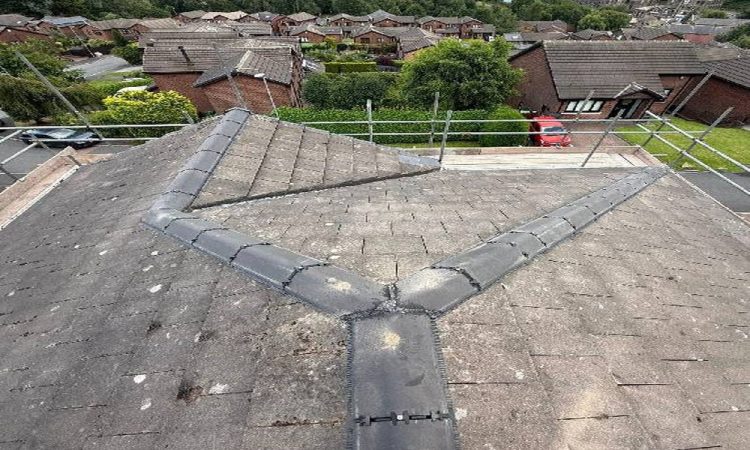
- Slipped or cracked roof tiles
- Damaged flashing around chimneys or valleys
- Worn underfelt or membrane
- Blocked or overflowing gutters
- Storm damage from high winds
Often, the damage isn’t immediately obvious from the outside. Water can travel along beams and insulation before appearing inside your home.
By the time you see it, it’s usually been there for a while.
What Happens If You Leave It?
Let’s break this down properly – because this is where homeowners get caught out.
1️⃣ Structural Timber Damage
Your roof structure is built from timber.
When moisture seeps in repeatedly, it can cause:
- Rot
- Warping
- Weakening of rafters
Left long enough, this can compromise the structural integrity of your roof.
A simple tile replacement from roof repairs Oldham, might cost a few hundred pounds.
Structural timber repair? That’s a very different conversation.
2️⃣ Insulation Becomes Useless
Loft insulation works by trapping air.
When it gets wet, it compresses and loses effectiveness.
That means:
- Higher heating bills
- Reduced energy efficiency
- Ongoing damp problems
You end up paying twice – once in energy costs and again in repairs.
3️⃣ Internal Ceiling & Plaster Damage
Water staining isn’t just cosmetic.
Persistent leaks can cause:
- Plasterboard sagging
- Ceiling collapse in severe cases
- Electrical risks if wiring becomes exposed
Now you’re not just fixing a roof – you’re redecorating entire rooms.
4️⃣ Mould & Health Risks
Moisture creates the perfect environment for mould growth.
Mould can:
- Damage walls and paintwork
- Trigger respiratory issues
- Affect indoor air quality
Especially in family homes, this becomes more than just a property issue.
5️⃣ Insurance Complications
Many homeowners assume insurance will cover roof leaks.
But here’s the catch:
Insurance often covers sudden storm damage – not gradual deterioration caused by neglect.
If it’s clear the issue was ongoing and untreated, claims can be rejected.
That’s a hard lesson to learn after the damage has spread.
How Quickly Can a Small Leak Escalate?
In UK weather conditions – particularly through autumn and winter – repeated rainfall can accelerate deterioration quickly.
What might cost a few hundred pounds today can turn into several thousand within a year if:
- Timber needs replacing
- Ceilings need replastering
- Insulation needs renewing
- Gutters or flashing need full replacement
The real cost isn’t just money – it’s disruption to your home.
Warning Signs You Shouldn’t Ignore
If you notice any of the following, act sooner rather than later:
- Brown ceiling stains
- Peeling paint near rooflines
- Musty smells in the loft
- Dripping sounds during heavy rain
- Moss build-up with visible tile movement
The earlier the inspection, the cheaper the solution usually is.
Prevention Is Always Cheaper Than Repair
Regular roof inspections – especially after storms – can identify issues before they escalate.
Professional roofing specialists like Delta Rooflines Ltd can assess:
- Tile condition
- Flashing integrity
- Gutter performance
- Roofline protection
- Overall structural stability
A proactive approach protects both your property and your wallet.
The Bottom Line
A small roof leak is never “just a small leak.”
It’s a warning sign.
And in most cases, the cost of fixing it early is far less than dealing with the consequences later.
If you suspect a problem, get it checked. Quick action isn’t an expense – it’s an investment in protecting your home.