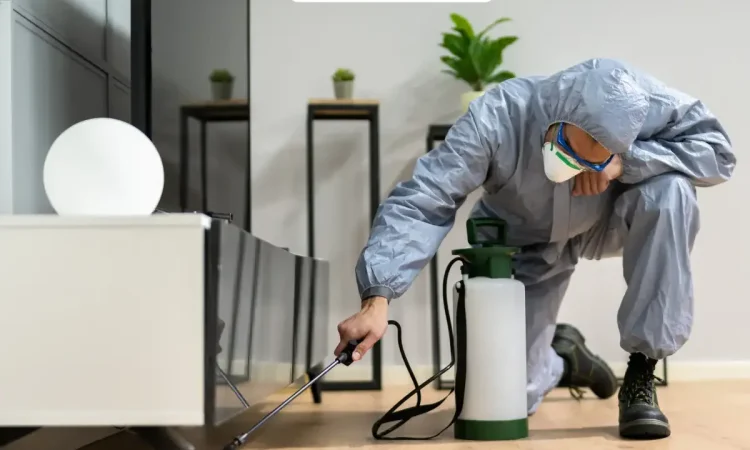
When you’re figuring out how much pest treatment costs, think about the type of pest, how big your place is, and the way you choose to deal with it. Knowing this stuff helps you budget and make good decisions. Like, getting rid of termites can be pricier than ants ’cause it needs special treatments. Also, if your property is big, it might cost more since it’ll take more time and effort. By getting a grip on these points, you can better handle your expenses and keep those pests in check. So, next time you chat with a pest control company, remember these tips—they might just save you some cash!
How Pest Type Influences Costs
Understanding how different pests affect treatment costs is key to smart budgeting and making good choices.
Termites
Termites can be a real pain, causing loads of damage, and dealing with them isn’t cheap. You might need special chemicals, bait stations, or even to fix parts of your house. This could cost anywhere from £500 to over £3,000 if things get really bad. Ants, on the other hand, won’t hit your wallet as hard, usually costing between £100 and £300 to sort out.
Bed Bugs
Bed bugs are another pricey problem. Getting rid of them often needs several treatments using heat or insect sprays. It starts at about £300, but if you’ve got a big infestation, it can shoot up to £1,500 or more. Because of this, bed bugs can be super costly to deal with.
Rats and Mice
When it comes to rats and mice, you’ll likely need traps and ways to keep them out for good. This can run you between £150 and £500, depending on how bad the problem is and what you need to do to keep them away in the future.
Knowing how much it might cost to deal with different pests can help you plan better and avoid any nasty surprises when you need pest control services.
Property Size Matters
When it comes to how much pest control costs, the size of your place matters a lot. Bigger homes need more time, stuff, and people to sort out pest problems, so they cost more. If you’ve got a big house or a tall building, you might need several treatments, and that can get expensive. For example, a small flat might only set you back £100 to £300, but larger places could run you £500 or more.
To get a good quote, measure your place accurately. A tape measure or a laser tool can help you figure out each room’s size, including basements and attics, and then add them all up. Don’t forget to include gardens or yards, as pests love those spots too.
With this info, you can talk to pest control companies and know exactly what you need. It helps you budget better and pick a plan that fits your place perfectly.
Describing the influence of the treatment method on pricing
Picking the right way to deal with pests can really affect how much you spend. If you’ve just got a few pests, a one-time fix might do the trick and cost between £100 and £300, depending on how bad it is. But if they keep coming back, it might make sense to pay for regular upkeep. These plans, costing about £400 to £1,000 a year, include regular check-ups and treatments, stopping big pest problems before they start and saving you money on expensive repairs later.
To keep track of your spending, you might want to ask pest control companies for a detailed cost breakdown. This can help you figure out a budget and pick a service that’s right for you and your wallet. Focusing on prevention not only saves money but also keeps those pesky pests under control for the long haul.
The Value of Reputation and Experience
Choosing a pest control company with a solid reputation and plenty of experience is crucial for getting the job done right. I once called up a long-standing firm, and they sorted a wasp nest in a day—worth every penny! These companies might ask for a bit more money upfront, typically between £80‑£120 for a first visit, but they’re usually much better at what they do. They know how to treat their customers right and deal with all sorts of creepy crawlies, meaning fewer unwanted guests later on, which saves you money in the end.
Why Experience Matters
Experienced pest control folks have honed their skills over the years, so they can tackle even the toughest bug problems. For instance, bed bugs in a flat can be a nightmare, but a seasoned crew can sort it quickly, saving you from a costly ordeal. They’ve got a track record of success, which means they can fix things faster and cheaper in the long run. Sure, newer companies might offer lower prices, but if they don’t properly solve the issue, it could end up costing you more.
The Role of Reputation
A company’s reputation gives you a good idea of their reliability and service quality. Checking online reviews on sites like Trustpilot or Google can be eye-opening. You might find a 5-star comment like, “Sorted my pest problem in a jiffy—couldn’t be happier!” And don’t underestimate the power of a neighbour’s recommendation; they might have just the contact you need.
Making the Right Choice
To ensure a smooth pest control experience, go for a company that’s upfront about their prices, communicates clearly, and backs up their work with a guarantee. When the technician explains the plan confidently, you’ll feel more assured. By focusing on reputation and experience, you can be confident your pest control investment will pay off over time. So, why not give one of your trusted local firms a ring and see how quickly they can sort it for you?
Location’s Impact on Treatment Costs
Where you live really affects how much you’ll pay for pest control. It can change how easy it is to get the service and how much it costs.
Seasonal Factors Affecting Prices
Benefits of Off-Peak Treatments
Pest control costs bounce around with the seasons. When spring and summer hit, prices usually shoot up ’cause pests like ants, mosquitoes, and wasps are everywhere, making everyone want pest control. This demand pushes costs higher.
But when autumn and winter roll in, there are fewer pests and prices dip. So if you get pest control during these cooler times, chances are you’ll pay less and find more open slots for appointments. It’s a smart way to save some cash.
Planning Ahead
Sorting out pest treatments before they become a big problem can save you money and keep your place pest-free. Tackling it early means avoiding last-minute panic and high costs. Keeping an eye on the seasons and planning your pest control ahead is a clever and budget-friendly way to go.
Conclusion
Knowing what affects pest control prices helps with smart budgeting. Things like the type of pest, size of your home, how they treat it, the company’s rep, and when and where you need the service can really change the cost. If you know about these, picking a service that works and doesn’t break the bank is easier. Getting quotes from a few places can snag you a sweet deal. Keep these points in mind to make good choices and keep your place pest-free without spending too much. A bit of homework can go a long way in staying safe and on budget.