Throughout the centuries, the need for upholstery services has persisted as a testament to humanity’s desire to preserve, restore, and enhance the comfort of our domestic environments. What began in ancient Egypt with basic padding techniques has evolved into a sophisticated craft that combines artisanship, technical knowledge, and aesthetic sensibility.
The Historical Context of Upholstery Services
To understand the significance of modern upholstery work, one must first appreciate its lineage. The word “upholstery” itself derives from the Middle English “upholder,” referring to tradesmen who held up or supported goods. By the 17th century, upholsterers had become respected craftsmen in European courts, responsible for creating the luxurious furnishings that signified wealth and status.
Today’s upholstery services carry forward this tradition, though the circumstances have changed considerably. Where once only the wealthy could afford such work, contemporary services make furniture restoration accessible to a broader populace. This democratisation of the craft has not diminished its importance; rather, it has expanded its reach and relevance.
The Scope of Professional Upholstery Work
Professional upholstery services encompass a range of specialised activities, each requiring distinct expertise:
• Residential furniture restoration
Sofas, armchairs, dining chairs, and ottomans
• Antique furniture conservation
Preserving historical pieces with period-appropriate techniques
• Commercial upholstery
Restaurant seating, office furniture, and hospitality furnishings
• Automotive and marine applications
Vehicle interiors and boat seating
• Custom furniture creation
Bespoke pieces designed to specific requirements
The Assessment Process
A competent upholstery service begins with thorough assessment. The practitioner must evaluate several critical elements:
- Frame structural integrity and joint stability
- Spring systems for fatigue or damage
- Padding compression and deterioration
- Appropriateness of fabric choices for intended use
As experts in Singapore’s upholstery services sector observe, “proper assessment prevents costly mistakes and ensures the finished piece meets both functional and aesthetic expectations.” This initial evaluation determines whether repair, restoration, or complete reupholstery represents the most sensible course of action.
Material Selection and Sourcing
The quality of materials directly influences the longevity and appearance of upholstered furniture. Professional upholstery services maintain relationships with fabric suppliers, foam manufacturers, and hardware providers to ensure access to appropriate materials. Key considerations include:
- Fabric durability matched to expected use patterns
- Colour and pattern coordination with existing décor
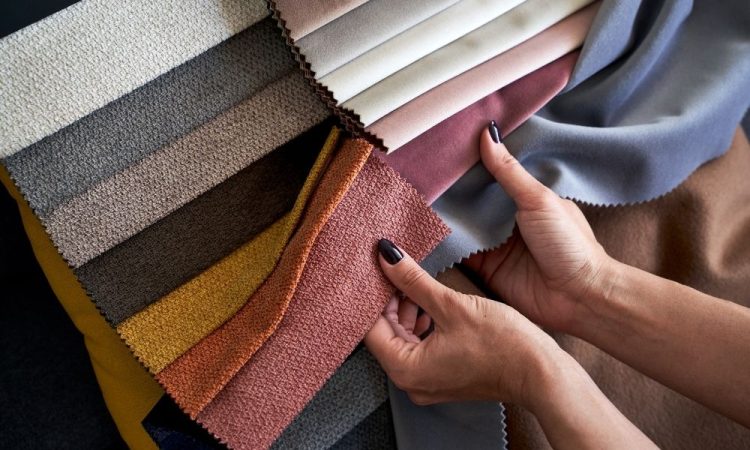
- Texture evaluation for visual appeal and practical comfort
- Maintenance requirements for long-term care
The vast array of available fabrics can overwhelm the uninitiated. Natural fibres such as cotton, linen, and wool offer breathability and traditional appeal. Synthetic materials provide enhanced durability and stain resistance. Leather remains a perennial favourite for its distinctive character and ageing properties.
Technical Expertise and Craftsmanship
The execution of upholstery work demands multiple skill sets. Spring tying requires understanding of tension and support distribution. Pattern matching tests spatial reasoning and mathematical precision. Hand-stitching techniques, some unchanged for centuries, create details impossible to achieve through mechanical means.
Modern upholstery service often blend traditional hand skills with contemporary tools. Pneumatic staplers speed certain processes without sacrificing quality. Computer-aided design assists in pattern creation and material estimation. Yet the fundamental craft remains rooted in manual dexterity and trained judgement.
The Commercial Dimension
Beyond residential applications, commercial upholstery services address the needs of businesses requiring durable, attractive seating solutions:
- Restaurants balance aesthetic appeal with easy maintenance
- Office environments demand ergonomic comfort alongside professional appearance
- Hotels require upholstery that withstands constant use whilst maintaining visual standards
Sustainability and Modern Values
In an era increasingly conscious of environmental impact, upholstery services play a significant role in sustainable consumption. Restoring existing furniture rather than discarding it reduces landfill waste, conserves resources required for new furniture production, and preserves quality craftsmanship that cannot be replicated in mass-produced items. Practitioners in Singapore’s upholstery services industry note that “restoration extends furniture lifespan by decades, making it an environmentally responsible choice.”
Economic Considerations
The cost of professional upholstery work often prompts hesitation. Yet when properly evaluated, reupholstery frequently proves economically sensible. Quality vintage furniture built with solid hardwood frames justifies investment in restoration, particularly when measured against purchasing equivalent quality in new furniture.
Selecting Appropriate Services
Choosing upholstery services requires discernment. Quality indicators to examine include:
- Aligned patterns and matched seams
- Tight, even stitching throughout
- Smooth, wrinkle-free fabric application
- Secure, durable construction methods
Request references and verify credentials. Discuss timelines and understand that quality work cannot be rushed.
The Consultation Process
Reputable upholstery service providers offer detailed consultations that clarify expectations, establish realistic timelines, provide transparent pricing, and allow examination of fabric samples and material options. The consultation serves both parties, ensuring alignment between client vision and practical execution.
Conclusion
The decision to engage professional upholstery work represents more than a simple transaction. It reflects an appreciation for quality, a commitment to preservation, and a rejection of disposable culture. Whether restoring a cherished family heirloom or refreshing contemporary furniture, the choice to invest in expert craftsmanship acknowledges that some things deserve careful attention and skilled hands. In this respect, modern consumers share values with their predecessors across centuries, finding worth in the careful maintenance and thoughtful enhancement of domestic comfort through quality upholstery services.