Open-Concept Interiors: Utilizing Custom Cabinets to Defining Spaces Without the need to build walls
The open-concept houses feel light and modern. They are also flexible. They eliminate visual barriers, let in sunlight, and provide an impression of connections between rooms. However, they also have their own challenges with walls: without walls, it is difficult to define the purpose and flow. Spaces can be chaotic, undefined or overwhelming if everything is blending together.
Custom cabinets are the most effective design tools for open-concept interiors. They create spaces without shutting them off and create storage, structure and visual separation without compromising openness.
What is the importance of defining space in Open Concept Design
The open layouts allow for freedom but the absence clearly defined lines can leave the space feeling unorganized. The kitchen blends with the dining area while the dining area is incorporated is incorporated into the living space And suddenly there is no feeling secure.
Interiors that are well-designed balance openness and intent. Every zone needs identity: a cooking zone, a dining zone, a relaxing zone, a working zone. Custom cabinets can help define these lines while making the layout open and fluid.
Cabinetry is used as an architectural anchor
Custom cabinets function as low walls, but they serve a different function. Instead of blocking viewlines, they direct movements and frame activities.
A long cabinet run could divide a kitchen from an area for living. A large pantry wall could be a signpost for an abrupt transition between food preparation to dining. An integrated media unit could be a focal point in a living space without having to be enclosed.
These components create visual signals that inform the eye where one area ends and the next.
Define the Kitchen without Stopping It
In a lot of open-plan homes the kitchen is often the center of the design. Custom cabinets can allow the kitchen to be complete but still open to the rest the house.
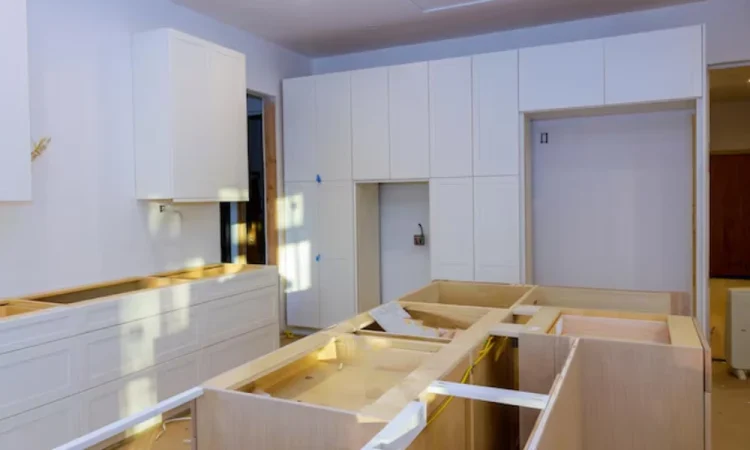
A long island that has storage on both sides creates the kitchen space, and provides seating and a workspace. Large cabinets on one wall create a vertical structure that is in contrast to the open living space, which ground your kitchen’s visual appeal.
The result is separation but not isolation.
Designing Functional Transitions between Spaces
Custom cabinets excel at building transition points. A built-in sideboard that is located between the living and dining spaces provides storage space while marking the transition from one area towards the other. A wall of cabinets close to the entrance creates an area to store bags, keys and shoes, creating an entryway that isn’t walled.
These transitions help flow and stop the open layout from feeling cluttered.
Utilizing Depth and Height to create Visual Boundaries
Cabinets don’t need to run from floor to ceiling in order to mark the space. The variations in height and depth can create delicate lines.
Low storage units provide clear sightlines, as anchoring areas are created. Tall cabinets draw the eyes upwards and create verticality. Deep cabinets are strong edges that visually divide actions.
In mixing depths and heights Designers design the space, instead of segregating it.
Storage without Sacrificing the Openness
One of the most difficult issues in living with an open concept is storage. With less walls, there are less places to store clutter.
Custom cabinets address this issue in a stylish way. They offer hidden storage that ensures that the space is clean and minimalist, while still preserving the spacious feel. If everything is in its place and everything is organized, the whole home feels more calm and organized.
Improving Movement and Flow
Strategically placed cabinets guide how people move around the house. It is easy to see the paths. Traffic flows naturally through cabinets, islands and built-in functions. This gentle guidance helps to avoid congestion and gives a pleasant flow to your daily routine.
Good flow helps the house feel bigger and more comfortable.
Mixing Style and Structure
Beyond their function Custom cabinets enhance the aesthetics of your home. Materials designs, finishes, and aspects connect the different areas visually and create harmony across the spacious space.
Cabinetry is a part of the building, and not only furniture.
Final Thoughts
Interiors that are open and spacious thrive by balancing. Custom cabinets help achieve this balance by creating areas, enhancing flow, and supplying essential storage without compromising freedom.
Instead of building walls intelligent cabinetry design can shape the interior of your home in a way that is elegant, quiet and for the long haul.
This post was written by a professional at The French Refinery. The French Refinery specializes in custom kitchen cabinets, bathroom cabinets, and full home cabinetry in Tampa, FL. With over 100 years of combined experience, our team designs, builds, and installs premium custom cabinets Tampa, millwork, and casework for homeowners, builders, and remodelers. From kitchens and bathrooms to closets, mudrooms, entertainment centers, and home offices, we create high-quality, handcrafted solutions that elevate your space and bring your vision to life.