Key Takeaways
- Wipe away crumbs and spills instantly to eliminate the “beacons” that signal scouts to enter your kitchen.
- Fortify your home by sealing hairline cracks and door gaps to block entry before an invasion begins.
- Secure professional support to eradicate the root colony rather than relying on temporary retail sprays.
Introduction
We all know that feeling of walking into the kitchen for a midnight snack or a morning coffee, only to find a line of unwanted visitors marching across the countertop. Maintaining a clean and welcoming kitchen is a priority for most households, yet even the tidiest homes can fall victim to unwanted guests. Ants are among the most persistent and frustrating pests to deal with, as they can navigate the smallest openings to find a food source. It’s not a reflection on your housekeeping; it’s simply nature looking for a free meal. Once a few scouts locate a supply of sugar or crumbs, they leave a pheromone trail for the rest of the colony to follow. This is why a simple sighting can quickly turn into a full-scale invasion that feels impossible to stop. For many people, the most reliable way to handle this issue is to seek professional ant pest control before the situation becomes unmanageable. Taking early action saves you the stress of waking up to a swarming countertop every morning and ensures your kitchen remains the heart of your home, not a pest playground.
The Science of Ant Attraction
Ants have an incredibly keen sense of smell and are biologically programmed to seek out resources for their colony. They are not just attracted to obvious messes; they can find residue inside a poorly sealed honey jar or crumbs hidden deep within a toaster. Even pet food bowls left out overnight can serve as a buffet for these opportunistic foragers. To keep your home unattractive to these pests, it is vital to store all food in airtight containers and wipe down surfaces daily with a disinfecting cleaner. Understanding what they are looking for helps you stay one step ahead. Consider these common kitchen magnets for pests:
- Sugary residues on jars, bottles, and sticky countertops.
- Overripe fruit left in open bowls on the island.
- Grease splatters near the stove from last night’s dinner.
- Standing water in the sink or a leaky faucet under the cabinet.
Removing the incentive for them to enter your home is the first line of defence in any pest management strategy. By making your kitchen a “food desert” for ants, you naturally encourage them to look elsewhere for their survival needs.
Identifying the Root of the Problem
Many homeowners attempt to solve an infestation by killing the individual insects they see on their floors or walls. While this might provide temporary relief, it does nothing to address the nest, which could be hidden inside your walls or under the foundation. You might spray a few, but ten more appear by lunch. This is where the expertise of a professional ant exterminator becomes essential. These experts are trained to identify the specific species of ant-whether they are sugar ants, carpenter ants, or ghost ants-and track them back to their source. By targeting the entire colony, they ensure that the pests do not simply return a few days later. A professional has access to industrial-grade baits and treatments that are far more effective than anything found on a supermarket shelf. They don’t just treat the symptoms; they cure the problem by eliminating the queen and the heart of the nest.
Closing the Gates: Exclusion Tactics
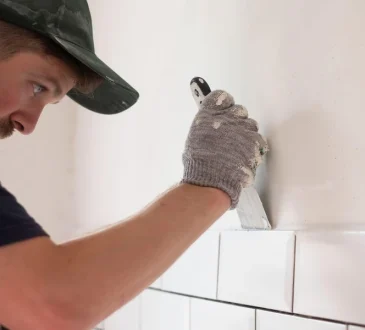
Preventing an infestation is always easier than curing one. Exclusion involves identifying and sealing every possible entry point that a pest might use to get inside. This includes checking the seals around windows, the gaps where pipes enter the walls, and the weather stripping under doors. Even tiny cracks in the grout or backsplash of a kitchen can be used as a highway by foraging insects. Below is a checklist of critical exclusion zones to inspect in your kitchen:
| Zone | Action Required |
| Windows & Doors | Replace worn weather stripping and caulk window frames. |
| Plumbing & Pipes | Seal gaps around pipes under the sink with steel wool or expanding foam. |
| Walls & Grout | Fill hairline cracks in tiles or baseboards where ants disappear. |
By physically blocking their access, you significantly reduce the chances of a new colony moving in. Combined with good hygiene, these structural improvements create a formidable barrier against many types of household pests, making your kitchen far less vulnerable.
The Value of Professional Consistency
Managing a home requires a lot of energy, and worrying about pests should not be on your daily to-do list. Choosing a professional service allows you to outsource this stress to people who have the right tools and knowledge. Regular maintenance visits can catch potential problems before they escalate, providing you with year-round peace of mind. Unlike DIY methods, which can be messy and unpredictable, professional ant pest control provides a safe and methodical approach to keeping your environment healthy. Investing in a long-term plan ensures that your kitchen remains a place for food and family, not for unwanted insects. You deserve to cook and dine without scanning the floor for movement.
Common Questions About Kitchen Pests
Why do ants keep coming back even after I clean?
Ants leave behind invisible pheromone trails. Even if you clean up the food, the “scent trail” remains, guiding new ants from the nest back to your kitchen. Professional treatments disrupt these patterns.
Are DIY ant baits safe for my pets?
Many store-bought traps contain chemicals that can be harmful if ingested by pets. Professional exterminators use targeted placement and pet-safe protocols to ensure your furry friends stay out of harm’s way.
How long does it take to see results after professional treatment?
While you will see an immediate reduction in activity, it usually takes a few days for the bait to reach the queen and eliminate the entire colony permanently.
In conclusion, a pest-free home is achievable with a combination of high hygiene standards and expert help. While basic cleaning is important, it is often not enough to stop a determined colony from finding its way inside. Engaging a professional ant exterminator will help you identify hidden nests and eliminate the problem at its core. By sealing entry points and maintaining a vigilant approach, you can enjoy your living space without the constant worry of an infestation. Don’t let a small trail of ants grow into a major headache when effective solutions are readily available. Your stress-free, pest-free kitchen is just a phone call away.
Contact EcoSpace Pest Management to find out how our tailored plans can keep your home pest-free.