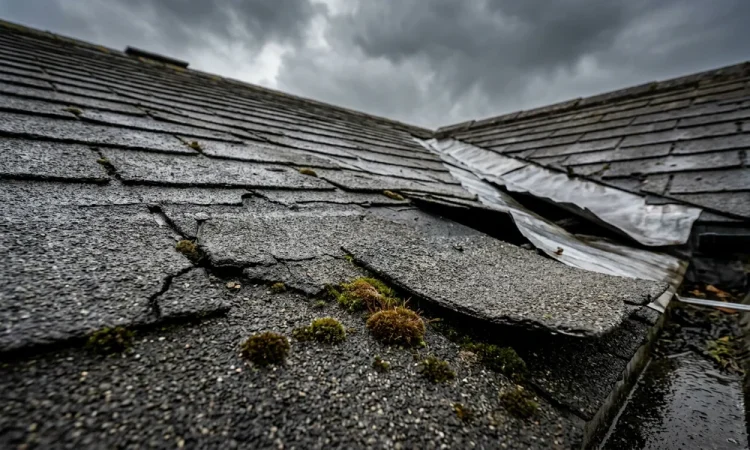
In a mild coastal climate, a roof can go six or seven months without seeing real rain. During that time nothing seems wrong. The ceilings stay dry, the gutters stay empty, and the roof seems fine. Then the first heavy winter storm rolls in off the Pacific, and a stain shows up in a bedroom ceiling almost overnight.
That stain almost never comes from new damage. The roof was weakening the whole time, and nothing revealed it until the rain came. Sun, heat, salt air and dry offshore winds wear on roofing materials all summer and fall, and none of that wear is easy to see from the ground.
That’s why most calls for San Diego roof repair pile up right after the first big storm of the season, when many homeowners find out about damage at the same moment. If you know what the dry months do to a roof, you can catch most of those problems while the weather is still clear and repairs are easy to schedule. The National Weather Service San Diego forecast office posts storm outlooks several days ahead, which gives you a useful deadline for getting a roof checked before the rain arrives.
What Months of Sun Do to a Roof
Direct sunlight is the biggest threat to most roofs in a dry climate. Ultraviolet light and daily heat slowly break down the materials holding the roof together.
Underlayment That Dries Out
Under tile roofs especially, the underlayment does most of the waterproofing. The tiles shed most of the water, but the felt or synthetic sheet below handles whatever gets past them. Over the years, heat makes that layer brittle. It cracks at the folds, along the eaves and around nails. From the street the tiles can look perfect while the sheet underneath has failed.
Sealant and Flashing That Shrink
Roofing sealant around vent pipes, skylights and chimneys hardens and pulls away under constant sun. Rubber pipe boots crack in the same way. Metal flashing expands in the afternoon heat and contracts at night, which slowly loosens nails and opens small gaps. Each of those gaps is a path for water.
Debris That Builds Up
Leaves, palm fronds and wind-blown dirt collect in roof valleys and behind chimneys during the dry months. In summer that debris does no harm. Once it rains, it acts like a dam and pushes water sideways under shingles and tiles instead of letting it run off.
The Wind Before the Rain
Dry offshore winds usually blow hardest in fall and early winter, just before the rainy season. Strong gusts can lift shingle edges and break the adhesive strips that hold them flat. On tile roofs, wind can shift or crack tiles and loosen ridge caps.
The tricky part is that wind damage is often subtle. A shingle that lifted and settled back down may look normal but no longer be sealed. A tile shifted half an inch can leave a gap above the underlayment. Weeks later, rain finds those weak spots right away.
Salt air adds to the problem for homes near the coast. The moist marine layer carries salt inland and speeds up corrosion of fasteners, flashing and gutters. Homes within a few miles of the ocean often see metal parts fail years sooner than homes farther inland.
A Walk-Around Before the First Storm
You don’t need to climb a ladder to catch the most common problems. A careful look from the ground and from the attic tells you a lot. Before the rainy season starts, go through this order:
- Stand back from the house with binoculars and scan for cracked, slipped or missing tiles, lifted shingles and bare spots.
- Look at the ridge line and hips for loose or missing caps.
- Check the roof valleys and the area behind chimneys for piled-up debris.
- Look at the gutters for sagging sections, rust and blocked downspouts.
- Go into the attic on a sunny afternoon and look for pinpoints of daylight coming through the roof deck.
- Check the underside of the roof deck and the rafters for old water stains, dark patches or a musty smell.
- Check ceilings in upstairs rooms and closets for faint rings or bubbling paint.
Old stains in the attic matter even when they’re dry. They show where water got in during last year’s storms, and that spot will usually leak again.
When Water Gets In Anyway
Sometimes a storm arrives before the repairs get done. If water is coming through, move belongings out of the way, put a bucket under the drip, and poke a small hole in any bulging ceiling paint so water drains out instead of collapsing the drywall. Stay off a wet roof. Wet tiles and shingles are dangerous to walk on, and a fall costs far more than a leak.
Moisture causes trouble quickly once it’s inside. Drywall, insulation and wood framing that stay wet for more than a day or two can start growing mold. The Environmental Protection Agency’s guide to mold cleanup in your home explains what you can clean yourself and when to call in professionals. The most important step is drying wet materials quickly.
A Small Fix or a Bigger Job
Many dry-season problems can be fixed with a targeted repair. Replacing a cracked pipe boot, resealing flashing, swapping out a few broken tiles or reattaching lifted shingles is quick work when the rest of the roof is sound.
The decision changes when the underlayment is the problem. On a tile roof, worn underlayment means lifting the tiles, laying new underlayment, and putting the same tiles back down. Concrete tiles often outlast two or three layers of underlayment, so this approach makes sense for many older homes. If the underlayment has failed across most of the roof, patching one area just moves the leak somewhere else.
Leaks that show up in several rooms, decking that feels soft underfoot, and shingles shedding granules across the whole roof all point toward bigger work. A good inspection will tell you whether you’re dealing with one weak spot or a roof near the end of its life.
A long dry season mostly delays the problems a roof already has. A look around the house and attic in early fall shows you what the first storm would have, while you still have time to fix it in dry weather.