When it comes to choosing the perfect flooring for your home, the decision often comes down to two major contenders: vinyl and hardwood. Both are incredibly popular and offer a range of benefits, but your choice will largely depend on your lifestyle, preferences, and budget. In this blog, we’ll explore the key differences between vinyl flooring to help you decide which one is right for your space.
Aesthetic Appeal
Hardwood: Timeless Elegance
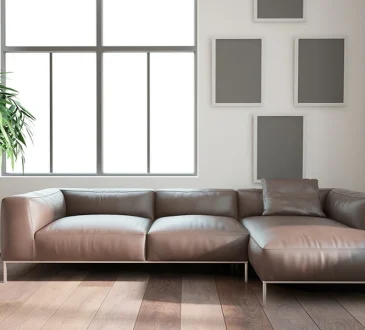
Hardwood flooring is renowned for its natural beauty and classic appeal. Made from solid wood like oak, maple, or walnut, hardwood floors offer rich tones and unique grain patterns that bring warmth and luxury to any room. Over time, hardwood can even develop a patina that adds to its charm and character.
Vinyl: Versatile and Stylish
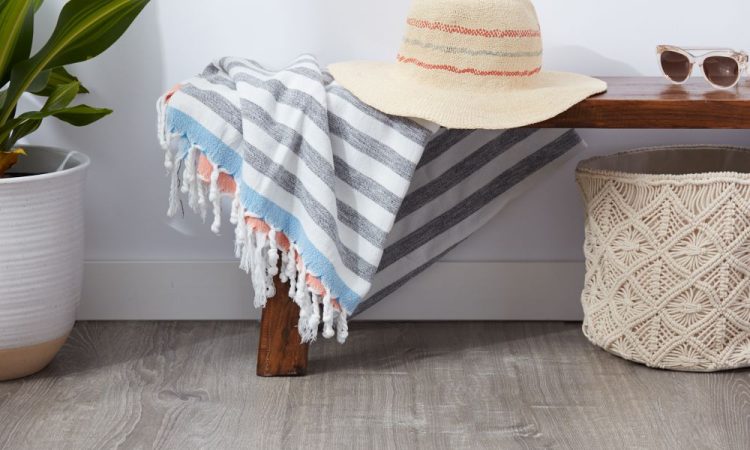
Modern vinyl flooring has come a long way in mimicking the look of hardwood, stone, and ceramic. With advancements in digital printing and texture embossing, vinyl planks can closely replicate wood grains and textures. While it may not have the same authentic feel as real wood, it provides excellent design flexibility at a fraction of the cost.
Verdict: If you’re after genuine, timeless beauty and a natural material, hardwood wins. If you’re looking for a cost-effective way to achieve a similar look with more options, vinyl takes the lead.
Durability and Maintenance
Hardwood: Strong but Sensitive
Hardwood is durable, but it’s not invincible. It’s prone to scratches, dents, and water damage, especially in high-traffic or moisture-prone areas like kitchens and bathrooms. It requires regular maintenance such as sweeping, polishing, and occasional refinishing to maintain its look.
Vinyl: Built for Tough Living
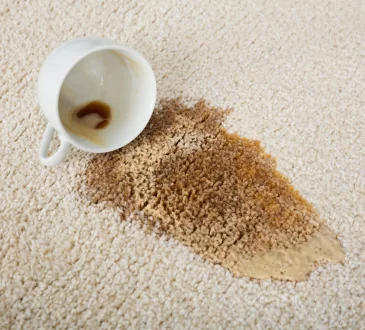
Vinyl flooring is highly resistant to scratches, stains, and water, making it ideal for busy households with pets, kids, or frequent guests. It’s also easier to clean—just a sweep and mop are enough to keep it looking good. Luxury vinyl plank (LVP) and luxury vinyl tile (LVT) even offer added protection with wear layers that increase longevity.
Verdict: For a low-maintenance, high-durability option, vinyl flooring is the clear winner.
Comfort and Sound
Hardwood: Solid Underfoot
Hardwood provides a firm, sturdy surface that feels substantial and premium. However, it can be a bit hard underfoot, especially without area rugs. It also tends to be noisy and may creak with age.
Vinyl: Softer and Quieter
Vinyl has a softer surface and can even come with built-in underlayment or added padding, making it more comfortable to walk or stand on for long periods. It also absorbs sound better than hardwood, which can be a big plus in multi-level homes or apartments.
Verdict: If comfort and sound absorption are key concerns, vinyl edges out hardwood.
Water Resistance
Hardwood: Vulnerable to Moisture
Water is hardwood’s biggest enemy. Prolonged exposure can cause warping, swelling, or discoloration. For this reason, hardwood is not recommended for bathrooms, laundry rooms, or basements.
Vinyl: Water-Resistant and Worry-Free
Most vinyl flooring options are water-resistant, and some are even 100% waterproof. This makes vinyl an ideal choice for moisture-prone spaces and households with children or pets.
Verdict: Vinyl flooring is the better choice for any area where water or spills are a concern.
Installation and Cost
Hardwood: Investment-Heavy
Hardwood floors typically come with a higher upfront cost, both in material and labor. Installation often requires professional help due to the complexity of nailing or gluing planks. However, hardwood can increase your home’s resale value significantly.
Vinyl: Budget-Friendly and DIY-Friendly
Vinyl is more affordable and easier to install, especially click-lock or peel-and-stick varieties. Homeowners with basic tools and skills can often tackle vinyl installation as a weekend DIY project.
Verdict: Vinyl is ideal for budget-conscious homeowners or DIY enthusiasts, while hardwood may be worth the investment for long-term value.
Longevity and Resale Value
Hardwood: Built to Last
When properly maintained, hardwood flooring can last for decades—often over 50 years. Its classic appeal and durability often increase a home’s value, making it a strong long-term investment.
Vinyl: Long-Lasting but Replaceable
Vinyl typically lasts 10–20 years, depending on quality and usage. While it may not add as much resale value as hardwood, it’s easier and cheaper to replace if you want a new look.
Verdict: For longevity and real estate value, hardwood is the superior choice.
Conclusion: Which One Is Best for Your Lifestyle?
The choice between vinyl flooring Dubai ultimately comes down to your lifestyle, needs, and preferences:
- Choose Vinyl if you need a practical, budget-friendly, and water-resistant solution that stands up well to heavy use.
- Choose Hardwood if you prioritize timeless beauty, long-term value, and don’t mind the upkeep and investment.
Both options can enhance your space in different ways. By considering your household dynamics, budget, and aesthetic goals, you’ll be able to make a flooring choice that not only looks stunning but also supports the way you live.